

When you’re shopping for a steel building, you’ll quickly notice a huge gap between different quotes. Some seem surprisingly affordable, while others look inflated. So, what’s the real story behind steel building costs?
The truth is, most quotes only cover a portion of the total expenses and the rest? You find out later. In this guide, we’re pulling back the curtain to give you a full breakdown of the true cost of a steel building including materials, labor, permits, site work, and hidden fees that often go unmentioned.
Whether you’re a developer or an owner-operator planning a warehouse, manufacturing facility, or retail structure, this guide will help you understand the line-item costs and avoid budget surprises down the line.
Average Steel Building Cost Per Square Foot (What You’ll See First)
Most steel building quotes begin with a cost per square foot. While this provides a helpful starting point, it rarely reflects the full project cost. Key expenses like site work, permits, labor, and custom features are often excluded, making the initial number more of a baseline than a final budget.
Typical Price Ranges ($/sq ft)
The average steel building cost per square foot in the U.S. ranges from:
- $15 to $30/sq ft for basic building shells
- $30 to $70/sq ft for fully finished, insulated, and outfitted buildings
- $70 to $120/sq ft for complex commercial or industrial use cases
These estimates often exclude foundation, utilities, and finishing costs.
Cost Differences by Building Type
Steel building pricing varies depending on usage:
- Warehouses: $25–$40/sq ft (minimal finishing)
- Retail Spaces: $50–$80/sq ft (requires insulation, HVAC, storefront)
- Manufacturing Plants: $60–$100/sq ft (custom designs, heavy-duty foundations)
Why Averages Are Misleading
A “cost per square foot” number rarely tells the full story. Why?
- Regional differences (labor, permitting)
- Design complexity (standard vs custom)
- Exclusions in quotes (site work, equipment)
Always request an itemized steel building quote to avoid unexpected costs.
Material Costs (What You’re Actually Paying For)
Material costs are usually the most visible part of a steel building quote, but they only tell part of the story. Even within materials, pricing varies based on quality, design choices, and performance requirements.
Steel Frame & Primary Structure
This includes:
- Columns
- Beams
- Bracing
- Fasteners and hardware
Expect this to be 25%–35% of your total project cost. Larger spans and custom engineering increase pricing.
Panels, Roofing & Insulation
These components impact both cost and long-term energy efficiency:
- Wall and roof panels (galvanized or galvalume)
- Roofing system (standing seam, R-panel)
- Insulation (spray foam, fiberglass batts, vapor barriers)
Insulation is often priced separately. Omitting it may lower your initial quote, but it leads to higher long-term energy bills.
Prefabricated vs. Custom Steel Buildings
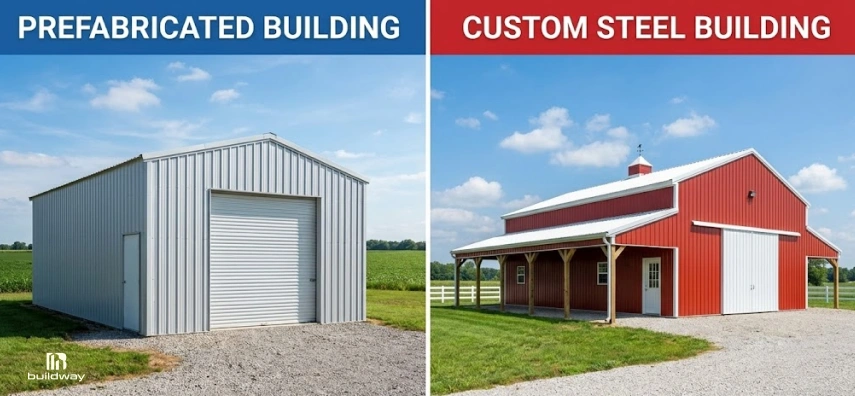
When choosing a steel building, one of the first decisions is whether to go with a prefabricated kit or a custom-designed structure. Each option has its own advantages depending on your project goals, timeline, and budget.
Prefabricated Steel Building Kits
Prefabricated kits are pre-engineered and manufactured off-site, then delivered for quick assembly.
- Lower upfront cost
- Faster production and delivery times
- Limited design flexibility
- Best for simple, smaller-scale projects
Prefabricated kits offer a lower upfront cost and faster delivery, but come with limited design flexibility. Learn how much you can really save with DIY metal building kits.
Custom Steel Buildings
Custom builds are designed from the ground up to meet your specific requirements, whether functional, aesthetic, or regulatory.
- Higher upfront cost
- Fully tailored to your operational needs
- Easier to meet zoning, code, and usage requirements
- Ideal for commercial, industrial, or complex projects
Most commercial steel building projects benefit more from a custom design due to the need for specific layouts, equipment integration, energy efficiency standards, and local compliance. While the initial investment may be higher, the long-term functionality and value often justify the cost.
Foundation & Site Work Costs (Often Excluded from Quotes)
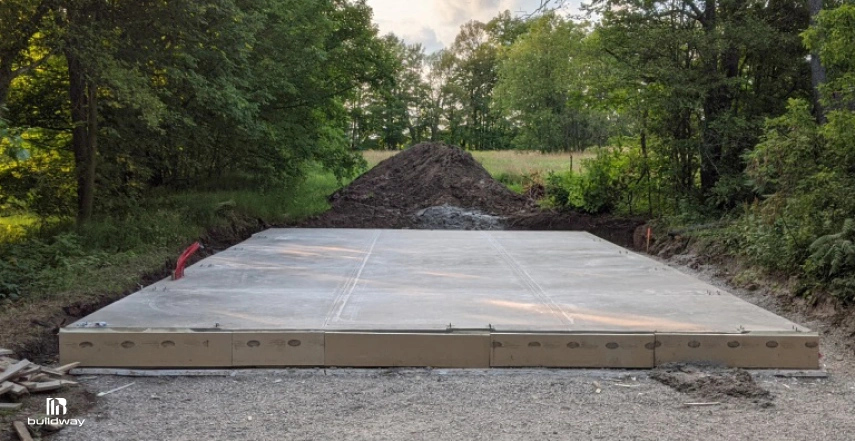
Foundation and site work are often left out of initial steel building quotes but can add significantly to your total cost. Elements like grading, soil conditions, and drainage must be planned early to avoid unexpected expenses later on.
Concrete Slab & Foundation Engineering
Expect to pay $6–$12/sq ft for:
- Reinforced concrete slabs
- Footings and piers
- Engineering and load calculations
Larger or heavier buildings may need deeper foundations.
Soil Conditions & Grading
- Soil testing and geotechnical surveys
- Land grading, leveling, or fill dirt
- Stabilization or compaction
Poor soil can add $5,000–$20,000+ to your budget.
Drainage, Utilities & Access Roads
- Stormwater management
- Sewer/septic connections
- Electrical and data conduits
- Road access or driveway installation
These costs vary based on location and should always be included in your total project estimate. Larger or heavier buildings may need deeper foundations, and poor soil can drive up the cost significantly. Here’s how choosing the wrong foundation could cost you thousands and how to get it right.
Labor & Construction Costs
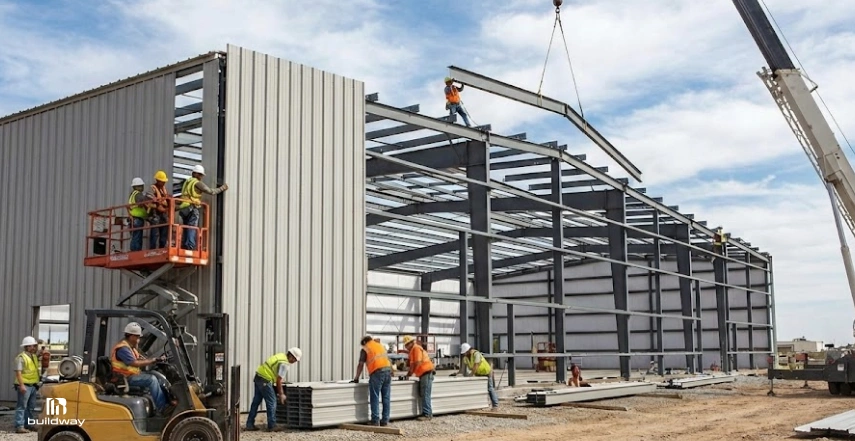
Labor is a major cost factor that can shift significantly based on your region, the complexity of the build, and the type of contractor you choose. Whether you hire a local crew or a turnkey builder will directly impact your budget and timeline.
Erection Crews & Timelines
The cost of professional steel erection crews includes:
- Equipment
- Travel and lodging (if out-of-town crews)
- Timeline penalties or incentives
Erection typically costs $5–$10/sq ft.
Regional Labor Cost Differences
Labor rates differ significantly by state or region:
- Southeast U.S.: Lower costs, more contractors
- West Coast/Northeast: Higher union labor rates, tight labor markets
Subcontractor vs Turnkey Builders
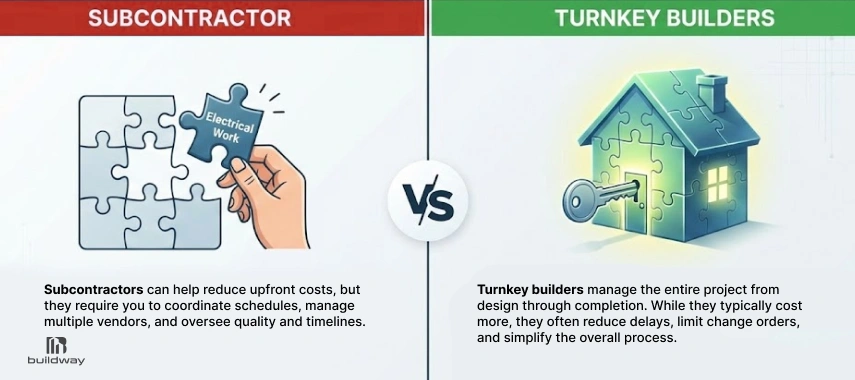
Choosing between subcontractors and a turnkey builder can significantly affect both cost and project management.
- Subcontractors can help reduce upfront costs, but they require you to coordinate schedules, manage multiple vendors, and oversee quality and timelines.
- Turnkey builders manage the entire project from design through completion. While they typically cost more, they often reduce delays, limit change orders, and simplify the overall process.
For many commercial projects, turnkey solutions offer better predictability and less risk, even if the initial price is higher.
Permits, Engineering & Compliance Fees
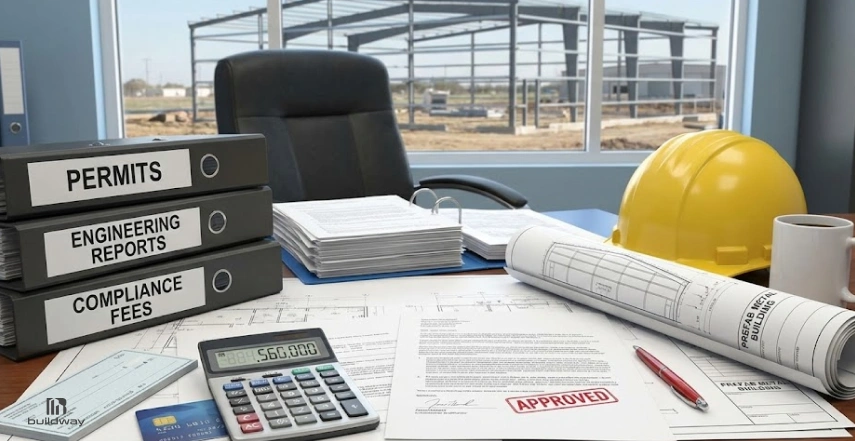
Many steel building buyers are surprised to learn that permits, engineering, and code compliance fees are often not included in standard quotes. These costs are essential for ensuring your building meets local regulations, safety standards, and zoning requirements and skipping them can lead to costly delays or redesigns later in the process.
Local Permitting & Inspections
Permits can cost $1,000–$5,000+ depending on:
- Location
- Project size
- Number of required inspections
Always check with your local building authority early.
Structural & Wind/Snow Load Engineering
These are critical for code compliance and safety:
- Structural load calculations
- Site-specific wind, snow, and seismic adjustments
Expect $1,500–$4,000+ for professional engineering.
Zoning and Code Compliance
- Environmental impact assessments
- Fire suppression requirements
- ADA accessibility
Failing to plan for these may lead to costly redesigns.
Permits, engineering, and compliance fees may not be the most visible costs, but they are unavoidable and critical to keeping your project on track. Planning for these expenses upfront helps prevent delays, failed inspections, and expensive redesigns, ensuring your steel building moves smoothly from approval to completion.
Delivery, Logistics & Equipment Fees
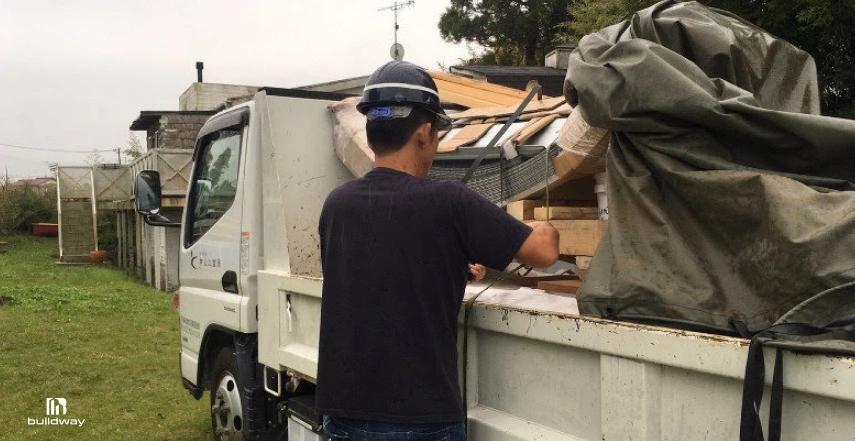
Delivery and equipment costs are often underestimated, yet they play a crucial role in your total budget. Transporting heavy steel components and renting cranes or lifts can add thousands to your final price.
Shipping Distance & Fuel Surcharges
Steel is heavy. Freight fees can vary based on:
- Distance from manufacturer
- Fuel prices
- Route complexity
Typical delivery costs: $2,000–$8,000
Cranes, Lifts & Staging Equipment
These are often rented separately and needed for:
- Lifting steel frames into place
- Installing large roof panels
- Site staging
Add $3–$7/sq ft to budget for equipment.
Delivery and equipment costs may seem minor, but they can add up fast. Planning for them early helps keep your budget accurate and your project on schedule.
Commonly Excluded Expenses That Inflate Final Steel Building Pricing
Some of the most expensive parts of a steel building project are the ones you don’t see coming. These commonly excluded expenses like design changes, warranty limitations, or long-term maintenance, often appear after construction begins and can quickly drive your final price well beyond the original quote. Understanding and preparing for them upfront is key to avoiding costly surprises.
1. Change Orders & Design Revisions
Common when:
- Scope changes during construction
- Design flaws require rework
Build in a 10–15% contingency budget.
2. Warranty Gaps & Exclusions
Some materials come with:
- Limited warranties
- No coverage on labor
- Exclusions for improper installation
Read the fine print on your quote and warranty documents.
3. Long-Term Maintenance & Energy Efficiency
Cheap up-front materials may:
- Rust faster
- Leak more often
- Drive up HVAC bills
Spending more now can save tens of thousands over the lifespan of your building.
Commonly excluded expenses can quietly derail your budget if you’re not prepared. Accounting for design changes, warranty limitations, and long-term performance early on helps protect your investment and ensures your building remains cost-effective over time.
Important note: While many builders exclude key costs, we at Buildway take a different approach. Our quotes are fully itemized and transparent, so you’re never left guessing what’s included.
How to Compare Quotes the Right Way
Not all steel building quotes are created equal, and many only cover the basics, leaving out critical components that will affect your final cost. To avoid unexpected expenses and misleading comparisons, it’s essential to review each quote line by line and confirm what’s included.
Before you move forward with any supplier or builder, make sure your quote clearly outlines the following:
- Structural steel (primary frame, columns, beams)
- Wall and roof panels with appropriate finishes
- Insulation (type, R-value, and coverage)
- Foundation and concrete slab
- Site preparation and grading
- Utility connections and drainage solutions
- Labor and equipment costs for erection and installation
- Permits, engineering, and code compliance fees
- Delivery charges, including freight and fuel surcharges
- Change order policy to understand how modifications will be handled
- Warranty coverage for both materials and labor
Having all of this outlined up front helps you compare quotes apples to apples and reduces the risk of missing hidden or excluded costs.
Download the Full Steel Building Cost Checklist (PDF). A handy tool to compare multiple quotes side-by-side and ask the right questions before committing.
How to Get an Accurate Steel Building Cost Estimate
A precise steel building quote depends on how much detail you can provide up front. Vague project descriptions often lead to vague estimates or worse, unexpected costs later. To avoid that, it’s important to come prepared with clear project information.
Here’s what you should gather before requesting a quote:
- Intended use of the building (e.g., warehouse, retail, manufacturing)
- Building dimensions including width, length, and height
- Insulation and interior finish level (basic shell, fully finished, climate-controlled, etc.)
- Site location to account for regional pricing, code requirements, and delivery logistics
- Soil condition and access to utilities, which impact foundation and prep costs
Once you’ve gathered this information, be sure to ask for an itemized quote, not just a price per square foot. An itemized quote gives you:
- A breakdown of every cost involved, from materials to permits
- Clear visibility into what’s included and what’s excluded
- The ability to compare vendors accurately, line by line
- Better control over your budget and fewer surprises later on
Getting a detailed, transparent estimate upfront is one of the smartest steps you can take to ensure your project stays on time, on budget, and fully compliant.
Request a Custom Steel Building Cost Breakdown
Ready to move forward with your steel building project? Don’t rely on vague estimates or incomplete quotes. We provide fully transparent, itemized cost breakdowns tailored to your building, site, and goals, so you know exactly what to expect before construction begins.
Our quotes cover everything: materials, labor, permits, foundation, site work, logistics, and potential extras.
Why Choose Us?
We take a different approach than most steel building providers. One built on clarity, accuracy, and long-term value. Our team works closely with developers and owner-operators to deliver commercial steel buildings that are code-compliant, cost-efficient, and built to last.
What sets us apart:
- Itemized, transparent pricing with no hidden fees
- Specialization in commercial steel buildings (warehouse, retail, manufacturing)
- Full-scope support from engineering and permitting to delivery and erection
- Designs tailored to local codes including zoning, wind, snow, and ADA requirements
- Reliable timelines and cost control to keep your project on track
If you’re looking for a partner who values precision and transparency as much as you do, you’re in the right place.
Call us now or request your custom steel building cost breakdown today and build with confidence.
FAQ: Steel Building Cost Breakdown
1. What is the average cost per square foot for a steel building?
The average cost of a steel building ranges from $25 to $70 per square foot. This wide range depends on the size, location, design complexity, finish level, and type of use. Basic, uninsulated shells typically fall on the lower end, while fully finished commercial buildings with HVAC, insulation, and customized features tend to cost much more.
2. What’s usually not included in a steel building quote?
Most steel building quotes only cover the building shell. Essential items such as the foundation, site preparation, utility connections, local permits, engineering services, equipment rentals, and delivery fees are often not included. These omissions can lead to significant budget overruns if not accounted for early.
3. Can I reduce costs by choosing a prefabricated steel building kit?
Choosing a prefabricated steel building kit can reduce upfront costs. However, the savings often come at the expense of customization, long-term energy efficiency, and local code compliance. For commercial projects, a custom steel building is often more practical and cost-effective over time, despite the higher initial investment.
4. How do soil and site conditions impact the cost of a steel building?
Soil conditions and the nature of your construction site can significantly impact your total cost. Sloped lots, unstable soil, poor drainage, or limited access for equipment can lead to added expenses for grading, excavation, and engineering. In some cases, site-related issues can add tens of thousands of dollars to a project.
5. Why is an itemized steel building quote important?
An itemized quote allows you to see exactly what is and isn’t included in the price. Without this transparency, it’s nearly impossible to compare quotes from different suppliers accurately. An itemized breakdown protects you from commonly excluded expenses and ensures you’re budgeting for the entire scope of your project, not just the steel frame.
6. What factors influence the final cost of a steel building the most?
Several key factors influence total project cost. These include the size and shape of the building, whether it’s prefabricated or custom-designed, your location and regional labor rates, the type of insulation and finishing required, and the complexity of foundation and permitting needs. Climate conditions and local building codes also play a major role.
7. Do steel building prices vary by geographic region?
Yes, steel building prices can vary significantly depending on where you’re building. Labor rates, permitting processes, access to materials, and transportation costs differ by region. For example, building in rural Texas will generally be less expensive than constructing the same building in California or the Northeast due to differences in wages, codes, and shipping distances.
8. How much does foundation work add to the total cost of a steel building?
Foundation work typically adds between $6 and $12 per square foot to your overall budget. Costs vary based on soil conditions, structural requirements, and whether the project involves piers, perimeter footings, or thickened slabs. Because foundation work is often excluded from initial quotes, it’s essential to include it in your planning from the start.
9. Are steel buildings energy-efficient?
Steel buildings can be very energy-efficient when designed properly. The right insulation, vapor barriers, and roofing systems can significantly reduce heating and cooling costs. Choosing energy-efficient doors, windows, and HVAC systems also plays a major role in lowering long-term operating expenses.
10. How much contingency should I budget for a steel building project?
It’s wise to set aside an additional 10 to 15 percent of your total project budget to cover unexpected costs. Contingency funds can help manage change orders, site challenges, weather delays, and design adjustments without derailing your timeline or financial plan.