

When planning a steel or metal structure, one of the most overlooked yet mission-critical steps is understanding which state does have the toughest building codes in US. Across the country, states enforce different versions of Steel Building Codes and Metal Building Codes, depending on local environmental risks like wind, seismic activity, snow loads, and fire exposure.
If you’re an engineer, developer, or owner working on a commercial or industrial steel building, ignoring regional code differences can delay permits, drive up costs, or even stall your project entirely. In fact, we’ve seen multiple commercial projects delayed for months due to a single overlooked local amendment, something that’s completely avoidable with the right preparation.
This blog breaks down where building codes are toughest in the U.S. and why they matter more for Steel and Metal Buildings than almost any other type of structure.
Why Building Codes Matter More for Steel & Metal Buildings?
Not all building materials are treated equally in the eyes of code enforcement. Steel Building Codes and Metal Building Codes tend to be stricter than those for wood or masonry because these materials are often used for high-occupancy or high-value structures. When mistakes happen with steel or metal buildings, the risks are much higher, structurally and financially.
Why Steel & Metal Buildings Face Greater Scrutiny?
Steel and metal structures are precision-engineered and require strict adherence to codes for load paths, connections, and environmental resilience. Unlike wood structures that can absorb certain tolerances, steel buildings must perform under very specific loading scenarios, which often triggers more in-depth reviews.
From our experience reviewing dozens of submissions each year, missed load path clarity and connection detailing are two of the top reasons AHJs request resubmittals on metal building plans.
Key Risk Factors Driving Code Complexity
Based on what we’ve seen across multiple jurisdictions, these are the risk factors that most often result in plan check pushback or permit denial if not properly accounted for:
- Wind uplift and shear (especially along coastlines)
- Seismic loads and soil interaction
- Fire protection of steel components
- Corrosion control in humid or coastal environments
How Code Compliance Affects More Than Just Permits?
Complying with Steel Building Codes and Metal Building Codes is essential for:
- Gaining timely permit approvals
- Securing affordable insurance rates
- Meeting resale and lender requirements
- Passing inspections from Authorities Having Jurisdiction (AHJ)
Who Needs This Guide?
This content is written for:
- Developers and investors planning metal structures
- Structural engineers and architects designing in risky regions
- General contractors dealing with plan check submittals
- Commercial and industrial property owners planning long-term builds
What Makes a State’s Building Code “Tough”?
The toughest building codes in the US aren’t just about the rules on paper, they’re about how those rules are adopted, enforced, and updated. Some states follow base IBC (International Building Code) closely, while others pile on layers of state and local requirements. That’s why identifying which state does have the toughest building codes in US can be crucial to anticipating stricter compliance needs early in the project.
How to Know Which State Does Have the Toughest Building Codes in US
Understanding why certain states enforce stricter Steel and Metal Building Codes starts with the conditions that shape them. From natural hazards to enforcement culture, these five core factors determine how demanding a region’s building code environment really is.
1. Environmental Risk Factors
Building codes are first and foremost about life safety and disaster resilience. States facing frequent or severe natural hazards impose stricter Steel and Metal Building Code requirements to protect public safety and infrastructure.
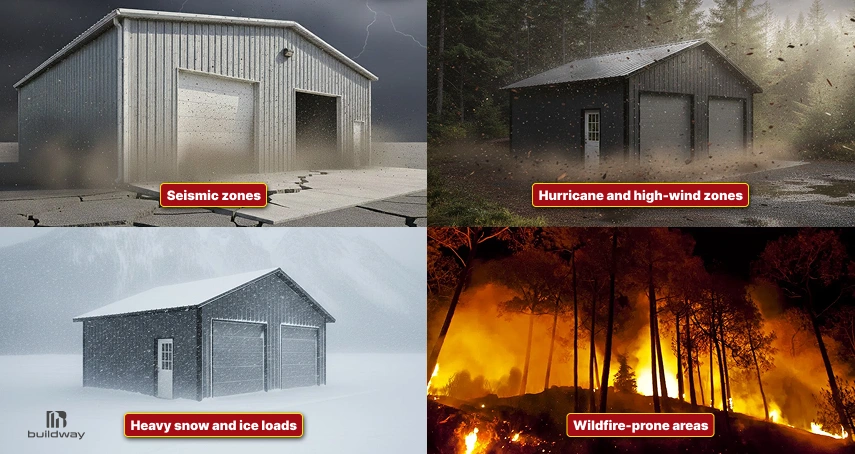
- Seismic zones, such as those in California and Alaska, require advanced seismic design for steel structures, including moment frames and ductile detailing per AISC standards.
- Hurricane and high-wind zones like Florida and the Gulf Coast enforce wind load calculations for 170+ mph gusts, uplift resistance, and component approvals.
- Heavy snow and ice loads in the Rocky Mountains and Northeast require structural steel to meet high roof load and deflection standards.
- Wildfire-prone areas, such as California and Colorado, mandate fire-resistant materials, defensible space, and non-combustible structural components.
2. How Fast States Adopt New Codes
The speed at which a state adopts and implements updated codes has a direct impact on how strict and modern their regulations are, especially when it comes to steel and metal building systems.
- California and Florida consistently adopt the latest version of the International Building Code (IBC) and related standards like ASCE 7 soon after release.
- Some states lag behind, still operating under IBC versions that are a decade old, which may reduce initial costs but increase long-term risk.
- Frequent code cycles in progressive states introduce new requirements for structural loading, energy performance, and fire resistance keeping steel and metal building codes current and complex.
- Slow-adopting states often lack state-level amendments, which may simplify permitting but reduce alignment with modern engineering practices.
3. Enforcement Culture
Even with standardized codes, how they’re enforced varies dramatically across jurisdictions. A state’s or city’s enforcement culture determines how strictly Steel Building Codes and Metal Building Codes are applied in practice.
We’ve seen cases where identical building plans are accepted in one city and rejected in a neighboring jurisdiction, just because of differences in enforcement expectations or local interpretation of the IBC.
- Strict permitting offices in cities like Los Angeles or Miami-Dade conduct multi-layer reviews, require sealed engineering, and often ask for pre-submittal meetings.
- Urban municipalities typically have dedicated plan check engineers who specialize in structural and fire-related reviews, especially for commercial buildings.
- Rural areas may apply only the base IBC with limited oversight, often allowing more design flexibility, but also greater risk exposure.
- Enforcement inconsistency within a single state can frustrate developers, with one city rejecting plans that would be approved next door.
One common issue we run into is when developers assume rural areas won’t enforce strict reviews, only to be surprised when a newly appointed plan reviewer flags missing anchorage details.
4. Engineering Documentation Standards
States with tougher building codes often demand a higher level of engineering documentation, especially for steel and metal buildings, which rely heavily on precise load path and detailing information.
- Site-specific structural calculations are often required for wind, seismic, snow, and live loads, not just manufacturer specs.
- Foundation designs must typically be engineered to match soil conditions, anchorage forces, and lateral stability requirements.
- Third-party reviews and special inspections are common in high-risk or high-density areas, including bolting, welding, and fireproofing checks.
- Incomplete or generic documentation is a top reason for permit delays in states with stricter engineering submission rules.
We’ve reviewed countless plans where PEMB documentation lacked site-specific calculations or anchoring diagrams, which almost always results in a code comment and delay.
5. Local Amendments That Exceed National Codes
While most states use the IBC as their base, many cities and counties adopt local amendments that impose stricter design, material, and documentation requirements, especially for steel and metal structures.
- Miami-Dade County requires metal building components to have a Notice of Acceptance (NOA), proving they’ve passed wind, impact, and corrosion testing.
- Los Angeles adds enhanced seismic requirements through the California Building Code and local ordinances, often demanding system redundancy and soil-structure interaction analysis.
- New York City’s building code introduces stricter fire-resistance, occupancy load, and structural review requirements not present in the standard IBC.
- Some cities adopt their own supplements, such as wildfire codes in high-risk zones or coastal salt-exposure protections that exceed base corrosion guidelines.
Expert Tip: Even if your structure follows IBC, local amendments can make compliance much tougher. Always check for jurisdiction-specific Steel or Metal Building Code Requirements.
From what we’ve seen, contractors new to regions like South Florida or Los Angeles often assume IBC compliance is enough, until the AHJ flags their plans for lacking Miami-Dade NOA or enhanced seismic detailing.
Which State Does Have the Toughest Building Codes in US for Steel & Metal Buildings?
Below are four states consistently ranked among those with the toughest building codes in the U.S. for steel and metal buildings, based on environmental risk, enforcement culture, and local code requirements.
For more insights into why builders still prefer these high-regulation states, check out our post on why the top states for steel buildings in the USA aren’t chosen by accident.
1. California: Seismic First, Always
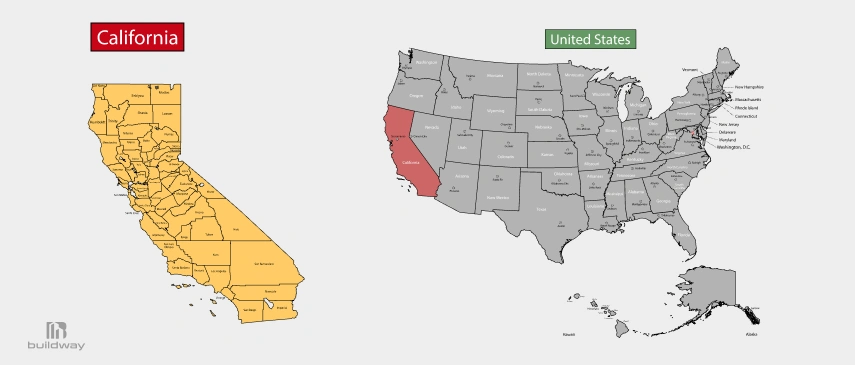
If you’re building with steel in California, you’re designing for earthquakes. The state follows the California Building Code (CBC), which layers additional seismic requirements on top of the IBC.
- Seismic Design Categories D through F are common.
- Special moment frames and ductile detailing per AISC are often required.
- California also enforces enhanced fire-resistance ratings and corrosion protection through the Office of the State Fire Marshal (OSFM).
Challenge: Even simple metal building projects require multiple engineering stamps and detailed seismic calculations.
We’ve seen even simple warehouse builds hit delays here due to missed special inspection requirements or insufficient lateral bracing details.
2. Florida: Wind Codes That Lead the Nation
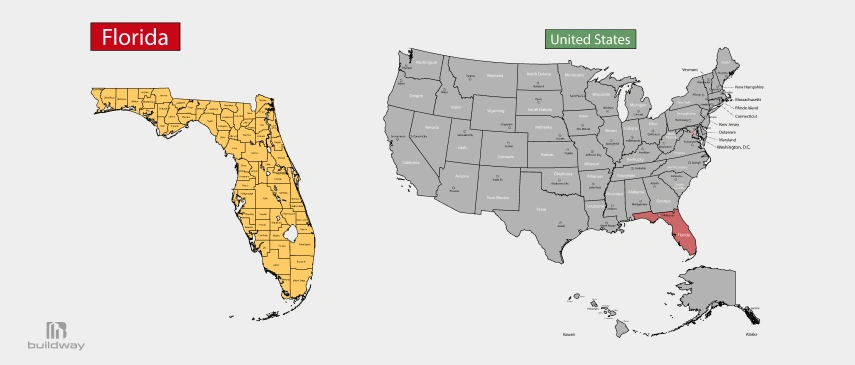
Florida has arguably the toughest wind codes in the US, driven by its vulnerability to hurricanes. The Florida Building Code (FBC) governs all construction, including Metal Building Codes, and is stricter than base IBC in several ways:
- Design wind speeds reach 180–190+ mph in coastal zones.
- Uplift resistance, roof fastening, and connection detailing are under intense scrutiny.
- Products and assemblies often require Miami-Dade NOA or Florida Product Approval.
Key Point: Many pre-engineered metal buildings (PEMBs) must be re-certified or upgraded to meet Florida’s high wind resistance standards.
In fact, many first-time Florida builders assume that PEMB manufacturer specs are sufficient, only to face NOA-related rejections during plan review.
3. Texas: Depends on the City
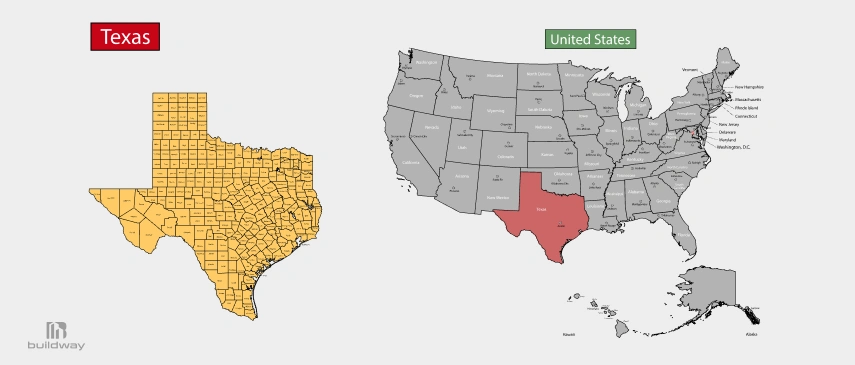
Texas is unique. It does not enforce a mandatory statewide building code. This means that whether you’re dealing with Steel Building Codes or Metal Building Codes, requirements vary city by city.
- Cities like Austin, Dallas, and Houston adopt IBC and apply it rigorously.
- Coastal areas add flood and hurricane standards.
- Rural counties may have little to no oversight.
Conclusion: Texas can be both one of the easiest and one of the hardest states to permit a metal building, depending entirely on local jurisdiction.
4. New York: Density and Fire Protection
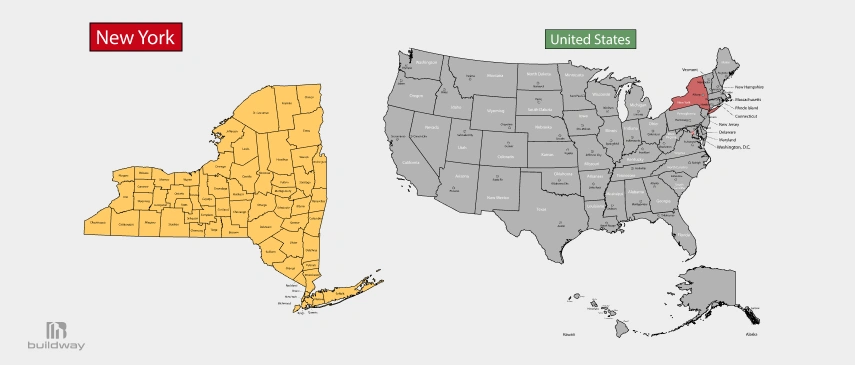
New York, especially NYC, has extremely detailed Steel Building Code requirements, driven by urban density, fire safety, and structural redundancy.
- The NYC Building Code is distinct from the IBC and includes higher design loads for occupancy and wind.
- Fire resistance of steel elements is critical, requiring fireproofing, ratings, and inspections.
- Structural steel for mid-rise and high-rise buildings undergoes deep inspection and approval cycles.
Summary: Infill urban steel buildings face far more scrutiny than suburban or rural structures.
Steel vs Metal Building Codes: What’s the Difference?
While “steel” and “metal” are often used interchangeably, code officials make clear distinctions between structural steel buildings and pre-engineered metal buildings (PEMBs).
| Feature | Structural Steel | PEMBs (Metal Buildings) |
| Design Standard | AISC 360, ASCE 7 | MBMA Manual, ASCE 7 |
| Fabrication | Custom-fabricated onsite | Factory-designed & delivered |
| Documentation Requirements | Site-specific, stamped drawings | Often pre-packaged, require local adjustments |
| Common Uses | Commercial, multi-story, industrial | Warehouses, hangars, ag buildings |
Important: PEMBs often face extra scrutiny under Metal Building Codes because they must be adapted to local conditions, especially for seismic and wind loads.
National Building Codes That Govern Steel & Metal Building Design
Every steel or metal building project in the U.S. must follow nationally recognized codes that establish structural safety, durability, and compliance. While local jurisdictions may amend them, these core codes form the basis of almost every permit approval process.
- IBC (International Building Code): The base code adopted by most states, covering structural, fire, and occupancy standards.
- ASCE 7: Defines minimum loads for wind, snow, seismic, and live loads based on location and risk category.
- AISC 360: Governs structural steel design, including strength, connections, and stability requirements.
- MBMA Manual: Industry-standard guide for designing pre-engineered metal buildings (PEMBs), especially useful for manufacturers and system designers.
- State Amendments: Modify or expand national codes based on local risk factors like hurricanes, earthquakes, or fire.
Knowing how these codes interact and how they’re enforced locally is key to avoiding delays and compliance issues.
Common Code Failures That Delay Steel & Metal Building Permits
Many permit rejections happen not because of bad design, but due to simple misalignments with local Steel or Metal Building Code requirements. Here are the issues plan reviewers flag most often:
- Missing load calcs: Generic plans without site-specific wind, seismic, or snow loads are often rejected. We often see this when out-of-state PEMB providers use generic design packages not calibrated for local conditions.
- PEMBs without engineering review: Pre-engineered systems still need stamped, localized documentation.
- Weak corrosion planning: Missing details on coatings or materials for coastal/humid zones trigger red flags.
- Roof uplift issues: Improper fastening or under-calculated uplift resistance stalls permits in wind zones.
- Foundation-to-frame gaps: Poor anchoring or unclear load transfer between base and frame leads to resubmittals. From what we’ve seen, unclear anchorage details are among the top red-flag items for structural reviewers.
To avoid costly foundation-related delays, check out our guide on choosing the right steel building foundation. It’s one of the most overlooked steps in getting approved the first time.
Quick Fix: Use engineers familiar with local codes. They’ll catch these issues before your plans hit the reviewer’s desk.
In our code review experience, these are the most frequent reasons AHJs reject or delay metal building permits. Most are not about design quality but about mismatches with local expectations.
How to Design a Code-Compliant Steel or Metal Building
Getting your steel or metal building approved the first time starts with planning for code compliance early. Here’s how to avoid delays and failed inspections:
- Confirm your governing code: Know whether you’re designing to IBC, CBC, FBC, or another local version and check for amendments.
- Assess risk factors: Identify your seismic zone, wind speed exposure, and snow load requirements based on location.
- Hire locally experienced engineers: Use professionals who understand your state or city’s code nuances and AHJ expectations.
- Meet with code officials early: A pre-submittal meeting can help resolve issues before you submit final plans.
- Prepare complete documents: Submit full load calcs, stamped drawings, and material specs, all tailored to local conditions.
Solid prep and local code knowledge are the fastest ways to get your steel or metal building approved without surprises. From our project support experience, the earlier you involve a code-savvy local engineer, the smoother the plan check process goes, especially in jurisdictions with complex amendments.
Why Tougher Building Codes Are Worth It
Strict building codes aren’t meant to slow you down, they’re designed to protect people, property, and long-term investments.
- States like California, Florida, and New York have the toughest building codes in the U.S. because of real environmental risks like earthquakes, hurricanes, and fires.
- These codes demand more upfront, but they reduce future liabilities, from insurance costs to disaster-related damage.
- Steel and metal buildings that meet these standards tend to perform better, last longer, and retain higher resale value.
- Designing for compliance from the start helps you avoid delays, permit issues, and costly redesigns.
The higher the standard, the higher the payoff, if you plan for it early. Especially when building in a region that does have the toughest building codes in US, that early planning can mean the difference between costly delays and smooth approvals.
Need help getting it right the first time?
FAQs: Steel & Metal Building Code Requirements
1. Are steel buildings code-compliant everywhere in the U.S.?
Yes, steel buildings are code-compliant everywhere in the U.S. as long as they are designed, engineered, and stamped to meet the applicable local building codes, including seismic, wind, fire, and snow load requirements. While national standards like the IBC, ASCE 7, and AISC govern steel construction, local amendments and enforcement by the Authority Having Jurisdiction ultimately determine compliance.
2. Which states have the toughest building codes in the US?
California, Florida, New York, and select cities in Texas are widely considered to have the toughest building codes in the US due to high seismic risk, hurricane exposure, dense urban environments, and strict enforcement practices. These states apply enhanced Steel Building Codes and Metal Building Codes that exceed baseline national standards.
3. Do metal buildings meet hurricane building code requirements?
Yes, metal buildings can meet hurricane building code requirements if they are properly engineered for site-specific wind speeds and constructed using approved components. In coastal states like Florida, compliance often requires adherence to Florida Building Code wind provisions, ASCE 7 load calculations, and Miami-Dade or Florida Product Approvals.
4. Are steel buildings safer during earthquakes?
Yes, steel buildings are considered one of the safest structural systems in earthquake-prone areas when designed in accordance with AISC seismic provisions. Steel’s ductility and ability to absorb and dissipate seismic energy make it highly effective in regions classified under higher seismic design categories.
5. Can local authorities override national Metal Building Codes?
Yes, local authorities can override national Metal Building Codes by adopting stricter requirements through state or municipal amendments. Cities such as Los Angeles, Miami, and New York frequently impose higher wind, seismic, fire, and documentation standards that go beyond the base International Building Code.
7. What is the difference between Steel Building Codes and Metal Building Codes?
Steel Building Codes generally apply to structural steel framing systems and rely on standards such as AISC 360 and ASCE 7, while Metal Building Codes typically apply to pre-engineered metal buildings designed under MBMA guidelines. The distinction mainly affects how engineering documentation, load paths, and approvals are reviewed by local code officials.
8. Do pre-engineered metal buildings pass code inspections?
Yes, pre-engineered metal buildings can pass code inspections if they are engineered specifically for the project’s location and comply with local Metal Building Code requirements. Issues arise when PEMBs are assumed to be universally compliant without accounting for local wind, seismic, or snow load conditions.
9. Why are steel and metal buildings subject to stricter codes than wood buildings?
Steel and metal buildings are subject to stricter codes because they typically span larger areas, carry higher loads, and are used for commercial or industrial purposes where failure risk is greater. As a result, Steel Building Codes emphasize precise engineering, fire resistance, and load path integrity more heavily than wood construction standards.
10. Can the same metal building design be used in different states?
No, the same metal building design cannot be used across different states without modification because building codes vary by jurisdiction. Differences in wind speed, seismic activity, snow loads, and local amendments mean a design approved in one state may fail to meet Metal Building Code requirements in another.
11. How can I ensure my steel or metal building passes code the first time?
The best way to ensure first-pass approval is to identify the governing building code early, account for all local amendments, and work with licensed engineers experienced in the state where the project is located. Proper documentation, stamped calculations, and early coordination with the Authority Having Jurisdiction significantly reduce permitting delays.